Written by Wangunyu Njuguna
Agroecology Consultant

A changing landscape in Kajiado South
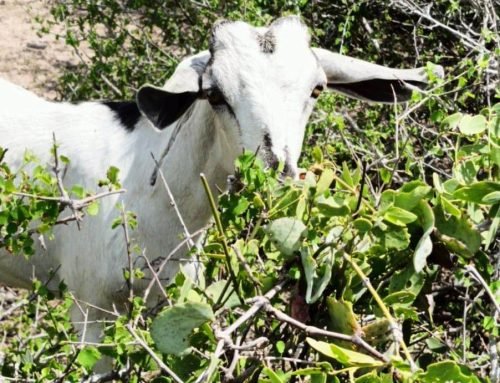
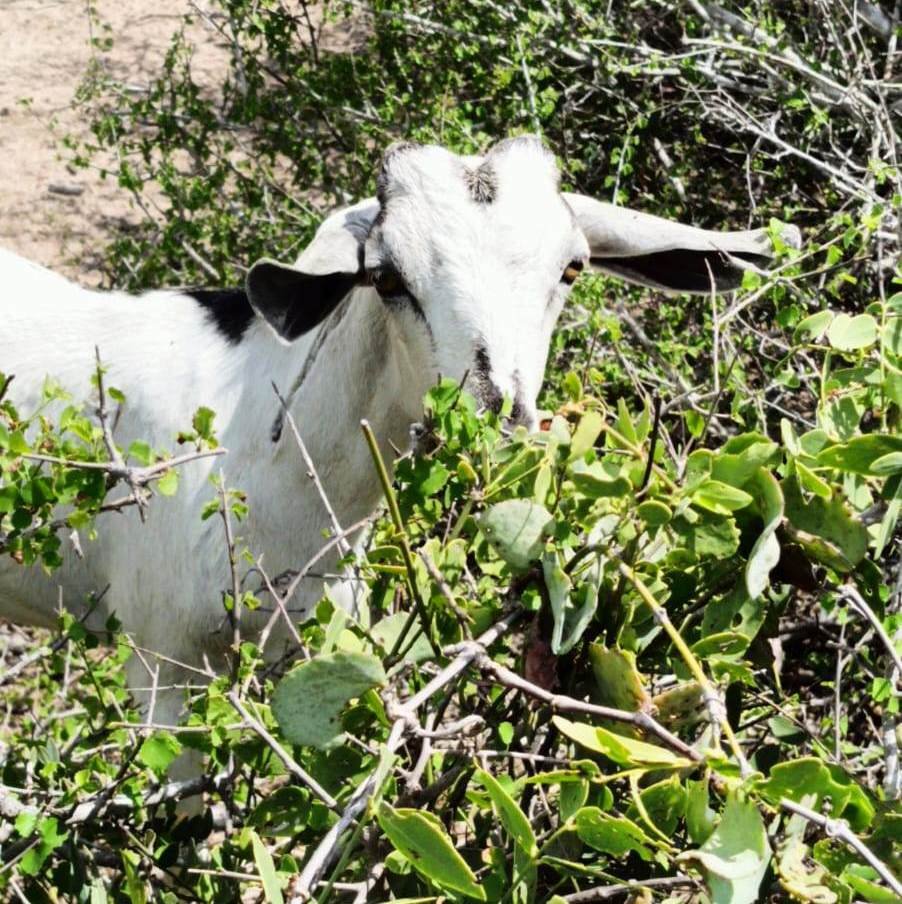
On a quiet afternoon in Elerai Village, the bells of returning goats carry across the homesteads. At the front is Red, the lead goat, who has just birthed twins after losing her pregnancy the previous year. Red is among many animals that have spent months away, roaming the vast but shrinking rangelands of Kajiado South in search of pasture after the failed March-April-May rains.
Her journey home captures the changing realities of pastoral life, where climate change and land pressures are forcing communities to adapt traditions that have endured for centuries.
What is pastoralism?
Pastoralism is a traditional livestock-based production system in which communities move their herds across rangelands in search of water and pasture. Unlike sedentary farming, it relies on mobility and flexible resource use, making it uniquely suited to arid and semi-arid regions where rainfall is scarce and unpredictable. Beyond its economic role, pastoralism is deeply tied to culture, identity, and social organization, shaping everything from community structures to food traditions.
The importance of pastoralism in drylands

For generations, pastoralism has been more than a livelihood. It is a cultural identity and one of the few production systems suited to fragile dryland ecosystems. Yet the conditions that once sustained nomadic movement are shifting rapidly. The land is degraded and overgrazed, the result of decades of neglect and marginalisation since the colonial government forced herders into reserves in the 1930s. Community grazing areas have shrunk as ranches are subdivided into private lands. Climate change has not spared the rangelands either. Erratic rainfall has suppressed natural pasture growth, floods erode soils in wet seasons, and strong winds sweep away topsoil during the dry months. It is an untenable situation.
Beyond alternative livelihoods: Strengthening agroecology
Much of the response from government and development partners has been to push for alternative livelihoods. While these may help diversify household incomes, they come at a cost. Such approaches risk overlooking the ecological and cultural importance of pastoralism. Livestock rearing is not only deeply embedded in social values but is also best suited to the fragile ecosystems of the rangelands. Supporting feed production and conservation within an agroecological framework respects these traditions while building climate resilience.
Feed production and controlled grazing systems

Communities are experimenting with controlled grazing systems, setting quotas for herd movement within group ranches. At Elerai Village, new practices are beginning to reshape how communities care for their animals. Red and over 130 other goats will remain in the village until February 2026, feeding on carefully conserved livestock fodder.
Years of forward planning and training have equipped the farm with reserves of brachiaria grass, alfalfa hay, and silage made from corn and sorghum. Instead of wandering long distances, the animals can now rely on nutritious feed close to home, grazing only when the rains return. When Red and her herd eventually return to the rangelands after February 2026, the cycle will continue. Behind them, the farm will focus on rebuilding its feed reserves, preparing for the uncertainties of future dry spells.
Scaling up feed conservation
Recognizing this, the Center for Rangelands, led by James Njuguna, a RTF Alliance member, is encouraging communities to commercialize feed production as an adaptation strategy. By cultivating drought-tolerant crops like millet, sorghum, and oats on privately owned land, pastoralists can secure hay and silage for future dry spells. Still, scaling up requires investment. Mechanization, tractors, rakers, balers, silage bunkers, is costly, and without it, feed conservation efforts remain limited.
The Role of county governments in rangeland restoration
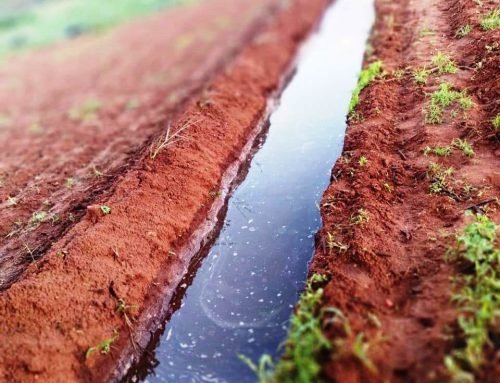
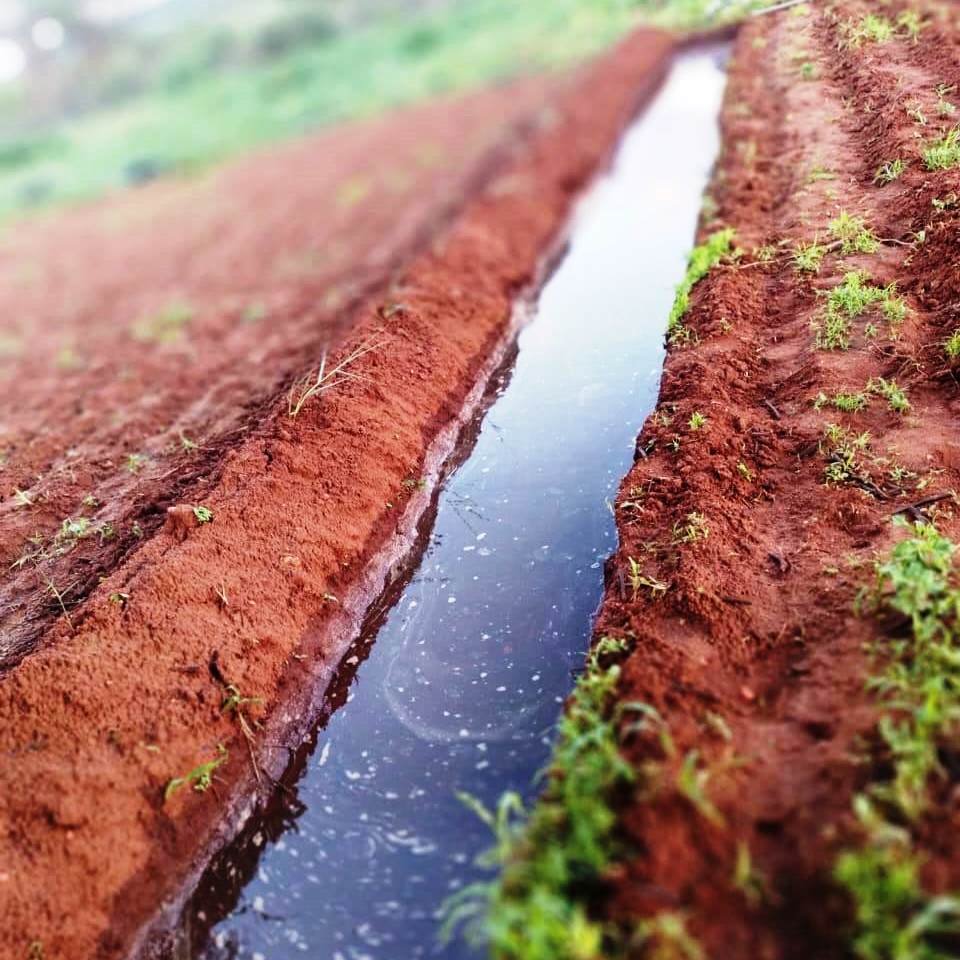
Beyond the farm and community level, county governments could take a stronger role in landscape and ecosystem restoration services that support pastoralism. For example, in soil and water conservation by harvesting rainwater and runoff, rehabilitating degraded soils, and constructing structures such as bunds or terraces to retain moisture. These measures should be complemented with reseeding and enrichment planting, using drought-tolerant grasses alongside native legumes and fodder shrubs that restore fertility and stabilise the land. By combining water retention with soil cover and carefully chosen species, rangelands can regain their capacity to regenerate even under variable climatic conditions.
Rangeland governance and knowledge integration
Yet restoring pasture is only one part of the solution. The way it is managed ultimately determines whether rangelands recover or degrade further. Management requires deliberate regulation of grazing through protection of migratory routes, designation of dry-season grazing reserves, and reinforcement of community-level governance systems that guide collective decisions.
Integrating pastoralists’ deep knowledge of forage cycles, herd mobility, and drought coping strategies is essential, since their observations often provide early warnings that complement scientific monitoring. When governance frameworks recognise pastoralists as co-managers rather than marginal actors, rangeland restoration efforts stand a greater chance of lasting success.
Indeed, agroecology provides a framework that values diversity, resilience, and integrating different knowledge systems. When pastoralism is treated as a legitimate and dynamic production system, rather than a problem to be replaced, it can become central to restoring rangelands, improving food security, and securing livelihoods in drylands. Climate change demands adaptation, but perhaps this does not mean replacing pastoralism but innovating within it.